
You didn’t come this far to stop


The AiStandard.ai Framework is designed not only as a research model, but as a practical roadmap for modernizing critical infrastructure systems.
Modernization efforts guided by the framework focus on improving the reliability, transparency, and coordination of systems that support daily life across the United States. These initiatives explore how emerging technologies, responsible artificial intelligence, and improved system architecture can help strengthen national resilience while supporting long-term economic stability.
The projects presented here represent conceptual modernization initiatives aligned with the twelve pillars of the AiStandard.ai framework. Protecting critical systems with advanced Ai-driven defenses.
Modernization
Advancing intelligent modernization through the AiStandard.ai framework
National Modernization Initiatives
Illustrative initiatives demonstrating how the AiStandard.ai framework can support modernization across critical national systems.
In memory of Joe E.L. — a reminder that justice systems must always work to protect families, preserve dignity, and safeguard the legacies entrusted to them.




Justice System Modernization
Modernizing court infrastructure through improved digital records, transparent information systems, and coordinated case management platforms designed to strengthen efficiency and public access to justice.
Modernizing national infrastructure requires coordinated action interconnected systems. The AiStandard.ai framework provides an architectural foundation for improving operational efficiency, strengthening institutional transparency, and supporting long term system resilience.
These initiatives demonstrate how infrastructure planning, trusted information, emerging technologies, and responsible Ai can work together across energy, water, healthcare, agriculture, public safety, and institutional governance.
Each initiative illustrates how the AiStandard.ai framework can be applied to real-world represents an example of how the AiStandard.ai framework can be applied to real-world modernization challenges.
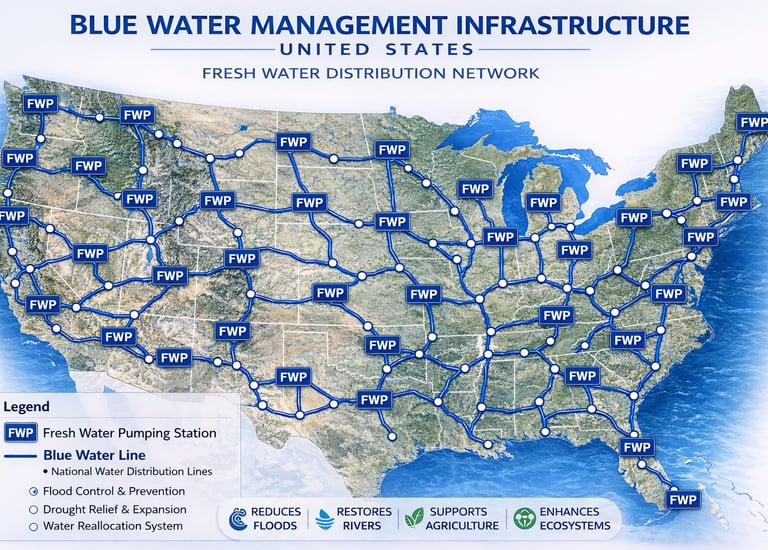
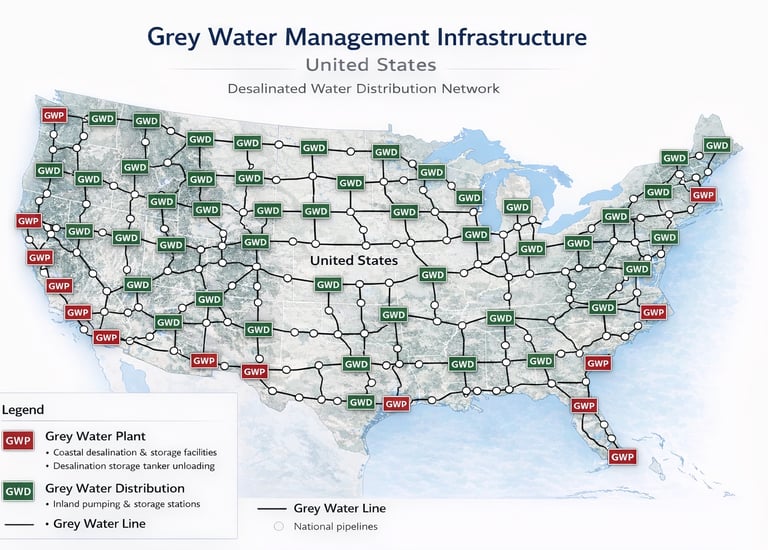
Water Infrastructure Modernization
Water infrastructure represents one of the most critical modernization challenges facing the United States. Many regional water systems were designed decades ago and now face increasing pressure from population growth, climate variability, and aging infrastructure.
Modernization strategies may include improved water transport systems, desalination technologies, advanced water recycling systems, and coordinated regional water management designed to improve long-term sustainability.
Through better infrastructure coordination and modern data systems, these initiatives aim to support more resilient water resources across the country.
Blue Water Infrastructure
Long-distance water transport and regional supply systems.
Grey Water Infrastructure
Water recycling, reuse, and conservation systems.
Institutional Systems Modernization
Modernizing national systems involves more than physical infrastructure. Many institutional systems across the United States continue to rely on outdated information platforms that struggle to support modern data coordination, transparency, and operational efficiency.
Institutional modernization may include improvements to digital record systems, court infrastructure, public data access platforms, and coordinated information systems designed to support better decision-making and accountability.
Through improved system architecture and responsible technology integration, modernization efforts can help strengthen the reliability and transparency of institutions that serve the public.
Justice & Legal Infrastructure
Modernization of legal and institutional systems represents an important component of the AiStandard.ai framework. Many court systems continue to operate using fragmented data platforms, outdated case management infrastructure, and limited digital coordination between agencies.
Modernization initiatives may include improvements to digital court records, transparent data access systems, improved case management platforms, and better coordination between legal institutions and public information systems.
By strengthening the infrastructure that supports legal processes, modernization efforts can help improve transparency, efficiency, and long-term institutional resilience while protecting the rights and interests of individuals and families.
Strengthening probate and estate systems through improved documentation processes, digital record management, and transparent legal coordination designed to better protect families and intergenerational assets.Building secure, interoperable health information networks.
Estate & Probate System Modernization
The AiStandard.ai framework provides a structured approach for modernizing critical systems while guiding responsible integration of advanced technologies across national infrastructure.
Cross-Sector Modernization
The challenges addressed by the AiStandard.ai framework extend across multiple sectors of society. Modern infrastructure systems are increasingly interconnected, requiring coordinated modernization efforts across energy systems, healthcare infrastructure, agricultural production, public safety platforms, and civic institutions.
By approaching modernization as a coordinated national effort rather than isolated initiatives, the AiStandard.ai framework provides a structured model for strengthening resilience across interconnected systems.
These initiatives illustrate how modernization efforts guided by the framework can help improve long-term infrastructure stability, institutional coordination, and national preparedness.
AiStandard.ai Modernization — Multiple Infrastructures


Health Data Infrastructure & Cybersecurity Governance
Modernizing national systems requires a coordinated approach across multiple infrastructure sectors. The AiStandard.ai framework recognizes that critical systems such as energy networks, water resources, healthcare platforms, transportation systems, and emergency response infrastructure are increasingly interconnected. Improvements in one system often depend on modernization within others. By supporting coordinated upgrades across these infrastructures, the AiStandard.ai framework promotes resilient system design, improved data coordination, and responsible integration of emerging technologies. This multi-infrastructure approach helps ensure that modernization efforts strengthen not only individual sectors, but the stability and reliability of the broader national infrastructure ecosystem.
The AiStandard.ai framework provides a structured path forward for modernizing the systems that support everyday life across the United States. By coordinating modernization efforts across multiple infrastructures, the framework helps strengthen resilience, improve institutional coordination, and support long-term national stability.








Clinical Trials & Medical Innovation
Modern medical research increasingly depends on large-scale data coordination across hospitals, research institutions, and clinical trial programs. Advances in digital health infrastructure have created new opportunities to improve how clinical trials are designed, monitored, and conducted. By improving data coordination and infrastructure reliability, modernization efforts can help accelerate the development of new therapies while maintaining strong standards for patient safety and research integrity.
Health data infrastructure plays a critical role in this process. Secure medical data systems can support better collaboration between researchers, physicians, and institutions while improving the quality and availability of clinical research data. Responsible integration of modern data platforms allows clinical trials to operate more efficiently, improving transparency, research coordination, and the ability to analyze medical outcomes across diverse populations.
As medical research continues to advance, the role of genetic and biological information will become increasingly important. The DNA Standard, as envisioned within the AiStandard.ai framework, represents a future-oriented concept for responsibly structuring genomic data in ways that support medical research, personalized treatment approaches, and long-term health studies. By establishing clear standards for how genomic information may be securely organized and responsibly accessed within clinical research environments, the DNA Standard concept explores how modern infrastructure can support the next generation of medical discovery while protecting individual privacy and ethical safeguards.