
Ai Start
The Origin of AiStandard.ai
From emergency response innovation
to intelligent infrastructure systems.
Intro
The origin of AiStandard.ai begins with a simple idea:
Structured information, when made accessible in real time, improves outcomes.
What started as early research and system design evolved into real-world applications used by emergency responders, healthcare providers, and communities across the United States.


2003 — Structured Communication Systems
The development of the Ekman Co-Parenting Journal introduced a structured
framework for managing critical information, including medical data,
insurance details, and emergency contacts.
Before smartphones, structured triplet forms enabled clear, documented communication — establishing early principles of accessible and organized information systems.
Registered with the Library of Congress


2010 — Research Foundation (University of San Francisco)
At the University of San Francisco, the award-winning research paper "In Case of Emergency Standard" formalized and consolidated earlier work developed between 2003 and 2010.
The paper integrated key components into a structured model, including:
medical information
emergency contact data
medication records
medical insurance information
This work established the foundation for the In Case of Emergency (ICE) Standard, transforming prior concepts into a unified, practical framework for real-time emergency data access.
2011 — ICE Standard Innovation and Launch
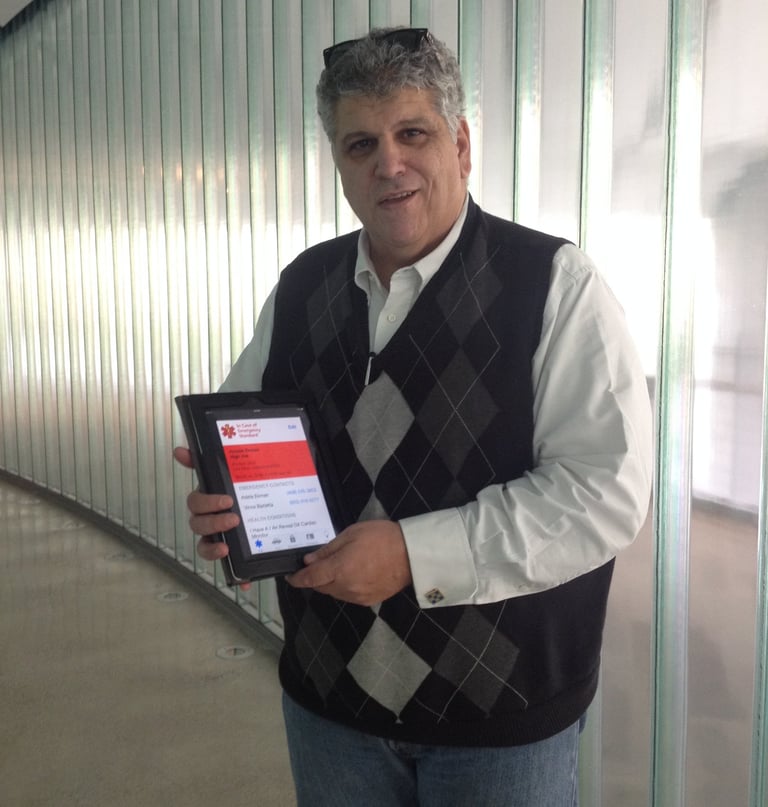
At the time the "In Case of Emergency Standard" research was completed, there were over 80 emergency-related applications available in the Apple App Store, ranging from free to paid solutions.
The transition from research framework to the ICE Standard application introduced several key innovations that differentiated it from existing solutions:
One of the foundational elements was the color-coded emergency status system, originally developed as part of the Emergency Standard Card:
Red — Stop: Special Medical Condition
Yellow — Caution: Medications
Green — Good to Go
This system provided immediate visual identification of an individual’s condition while supporting additional medical details such as allergies, medications, implanted devices, or other critical information.
Another key innovation was the introduction of lock screen overlay access, allowing critical information to be displayed without requiring a device password. With a single press of the power button, essential data could be viewed instantly—whether the device was locked or unlocked.
As the Emergency Standard Card evolved into the ICE Standard application, the system expanded into a dynamic, user-managed platform.
The application introduced structured data tabs, enabling users to organize and maintain information such as:
medical details
medications
emergency contacts
insurance information
Users were also given control over how their information was shared through customizable settings, including:
the ability to select which data fields were visible
optional inclusion of specific medical or personal information
control over the lock screen display
This approach ensured a balance between accessibility and privacy, allowing individuals to share critical information when needed while maintaining control over sensitive data.
The ICE Standard app was introduced as a free application designed to support emergency response and help individuals communicate when they could not speak for themselves.
Within 60 days of launch, it became the No. 1 emergency application in the Apple App Store, driven by both functionality and widespread adoption.
Real-world feedback from emergency response scenarios reinforced the value of structured, visible medical data—particularly in situations requiring rapid triage, where factors such as allergies, medications, or pre-existing conditions can directly impact treatment decisions.
This feedback informed the development of the next phase:
RapID Triage Standard
A defining message during this time captured its core purpose:
“What’s on your lock screen?”
2012 — Platform Expansion Concept
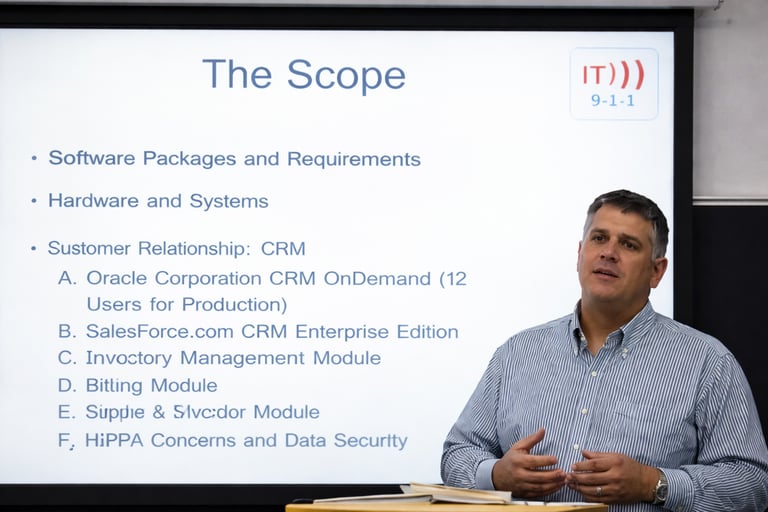
Building on the success of the ICE Standard application, the next phase focused on how structure emergency data could be integrated into larger enterprise platforms.
At the time, platforms such as Salesforce were expanding their ecosystems through application marketplaces and partner integrations, supporting functions across marketing, sales, customer service, and field operations.
The concept introduced was to extend the ICE Standard as a plug-in application, enabling organizations to incorporate emergency and medical profile data into existing enterprise systems.
One proposed application focused on human resources and employee safety, allowing organizations to:
maintain emergency contact and health-related information
provide optional, privacy-conscious medical status indicators
support workplace safety and emergency response preparedness
The color-coded medical status system enabled a simple approach to privacy:
Green — no active concerns
Yellow — medication-related considerations
Red — medical conditions requiring awareness
This approach allowed individuals to communicate critical status information without disclosing sensitive details, balancing accessibility with personal privacy.
The concept demonstrated how structured emergency data could extend beyond individual use cases into scalable, enterprise-level systems—laying the groundwork for broader platform integration and future applications.
2013 - Smart911 Integration and National Adoption
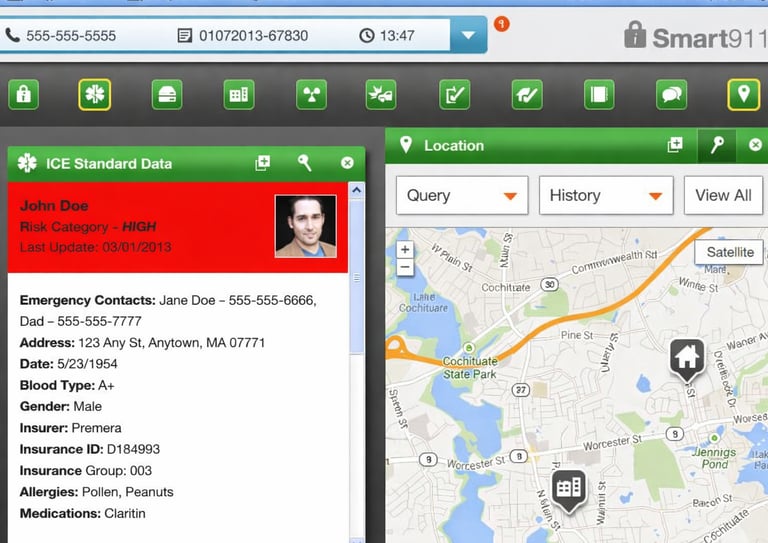
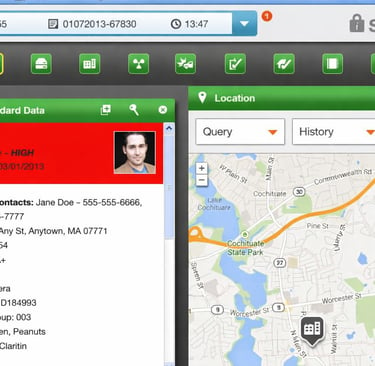
The ICE Standard evolved from a standalone application into an integrated emergency response solution through its alignment with Smart911, developed by Rave Mobile Safety.
This integration enabled emergency dispatchers and first responders to access structured user profiles in real time, providing critical information during emergency situations.
The system expanded across multiple jurisdictions, supporting enhanced situational awareness and improving the ability of responders to make informed decisions in time-sensitive environments.
Key capabilities included:
real-time access to emergency contact information
visibility into medical status indicators
improved communication between individuals and response teams
The color-coded medical status system was well received as a simple, visual method for quickly assessing an individual’s condition while maintaining personal privacy.
This phase demonstrated the practical value of structured, accessible data within active emergency response systems.
It marked the transition from application-level functionality to integrated infrastructure, validating the ICE Standard as a scalable solution within real-world environments.


2014 - Top App Doctors Recommend
Industry Recognition and Medical Community Adoption
The ICE Standard application gained recognition within healthcare and emergency response communities, including recommendations from medical professionals.
The platform was recognized as a top emergency application recommended by doctors, reflecting its practical value in real-world situations.
This recognition reinforced the importance of structured, accessible medical data, particularly in time-sensitive environments where immediate awareness can directly impact treatment decisions.
The ICE Standard demonstrated that simple, visible information—such as medical status, medications, and emergency contacts—could significantly improve communication between individuals and responders.
2015 - Next Generation Development
The Building on real-world adoption and feedback, development advanced toward next-generation systems focused on rapid triage and coordinated response.
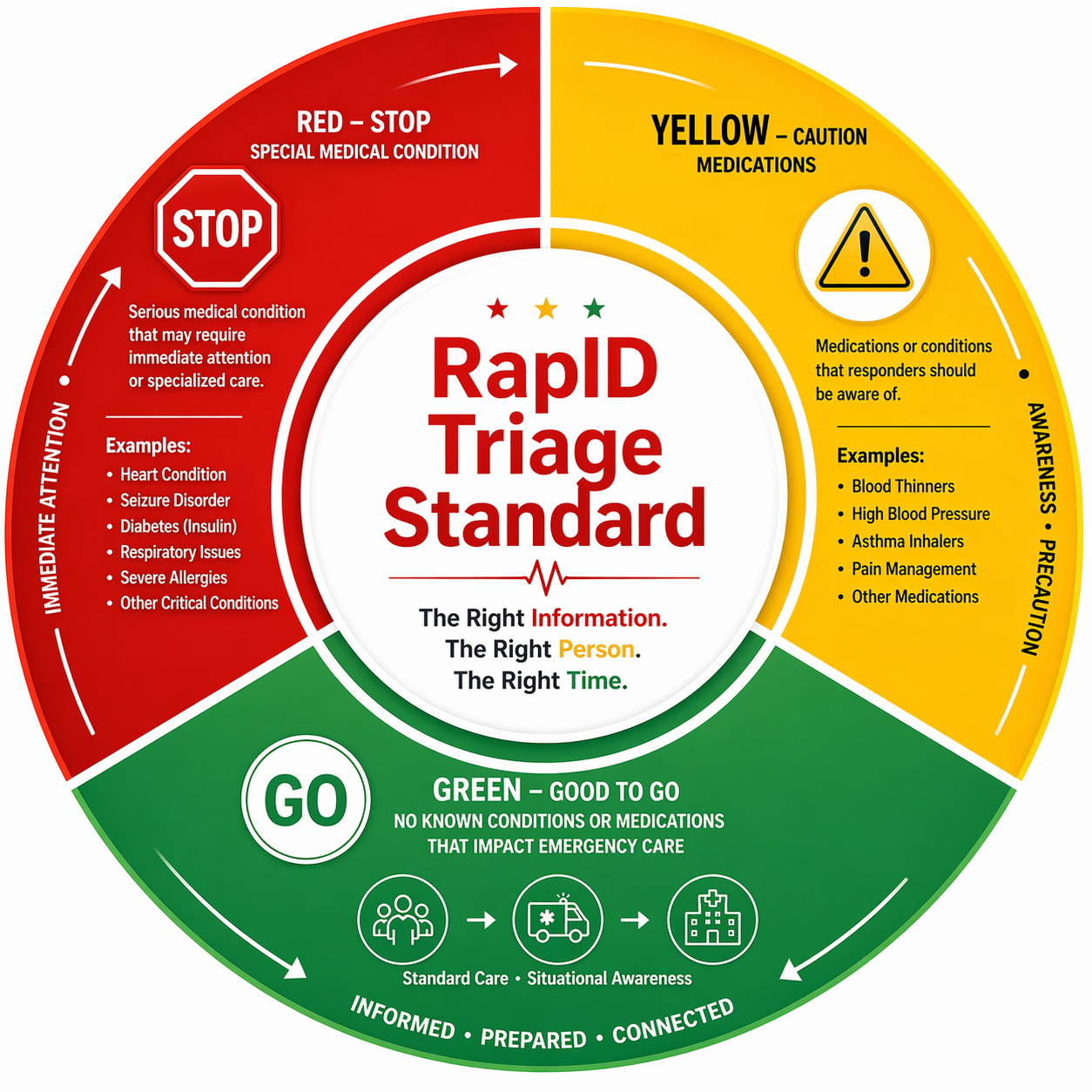
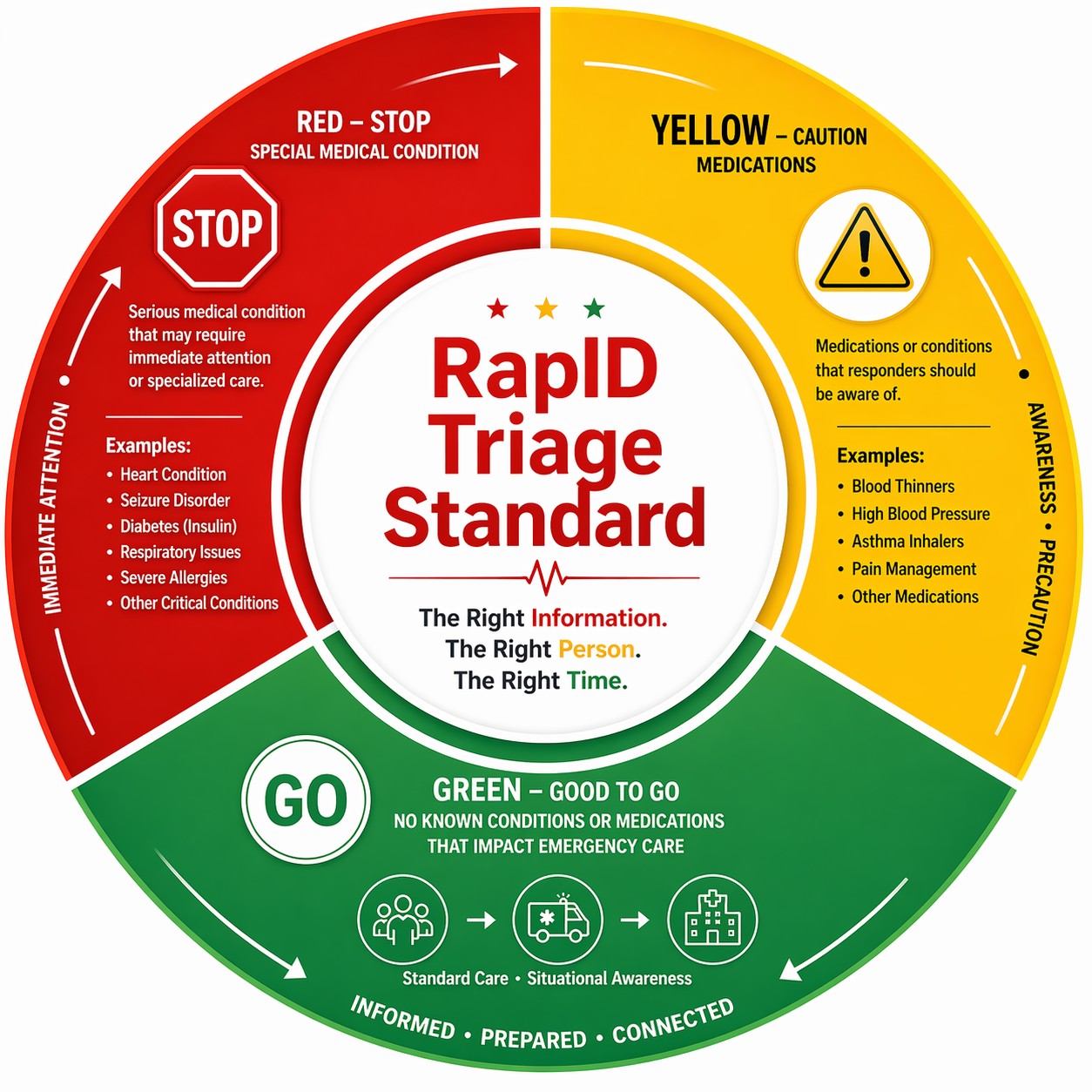
This phase introduced the RapID Triage Standard, extending the use of structured, visible data into broader emergency scenarios.
The objective was to enhance situational awareness by enabling immediate access to critical information—such as medical conditions, allergies, medications, and implanted devices—that could directly impact treatment decisions.
This work marked the evolution from individual data access toward system-level response coordination, expanding the ICE Standard into a broader framework for emergency management.
This work established a foundational principle:
Structured information, when integrated into real-world systems, creates measurable impact.
That principle would evolve into a broader framework:
AiStandard.ai — The National Intelligent Modernization Standard (NIMS)
AiStandard.ai
This work continues through AiStandard.ai and the development of the National Intelligent Modernization Standard (NIMS), focused on modernizing critical infrastructure through intelligent systems, integrated data, and scalable design.
In 2025-2026 as the research expanded, it became clear that the systems challenges being examined were not isolated to a single sector or a single state. After filing paperwork to explore a run for Governor of California, Joseph Ekman recognized that the underlying issues involving infrastructure modernization, institutional coordination, and emerging technologies reflected broader national challenges.
What began as a state-level modernization effort evolved into a national framework. That realization helped shape the development of the AiStandard.ai National Intelligent Modernization Standard, organized through twelve strategic pillars designed to support responsible modernization across critical systems in the United States.
Contact
AiStandard.ai
7172 Regional Street
No. 518
Dublin, California, USA 94568
Corporate Phone (831) 251-0888
Email: Press-Media@AiStandard.ai
Website: www.AiStandard.ai
© 2026 AiStandard.ai™. All rights reserved.